Smart Locks vs Traditional Locks: Which Is Better for Tampa Homes?
Understanding the Core Difference Between Smart and Traditional Locks
Tampa Bay homeowners are increasingly weighing the benefits of smart locks versus traditional mechanical locks. With technology advancing rapidly and home security becoming a greater priority, many residents want to know which option provides the best combination of safety, convenience, and long-term value.
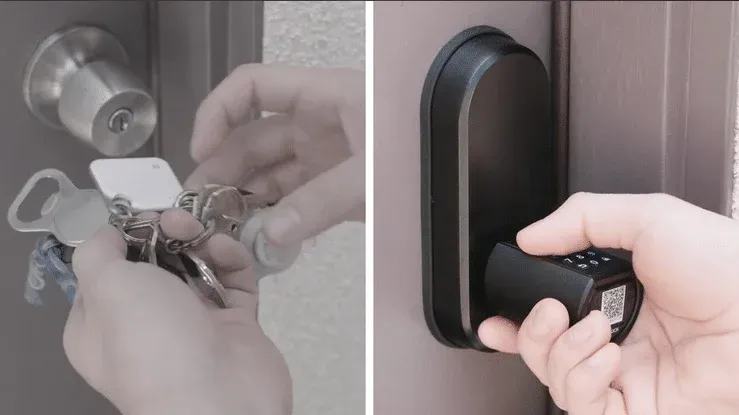
Traditional locks rely entirely on mechanical components and physical keys. Smart locks incorporate electronic systems that allow keyless entry through codes, smartphones, biometrics, or remote access platforms. While both serve the same basic purpose — securing your property — the way they function and the advantages they offer are very different.
Choosing the right system depends on your home, lifestyle, security concerns, and whether convenience or simplicity ranks higher in your priorities.
How Traditional Locks Function
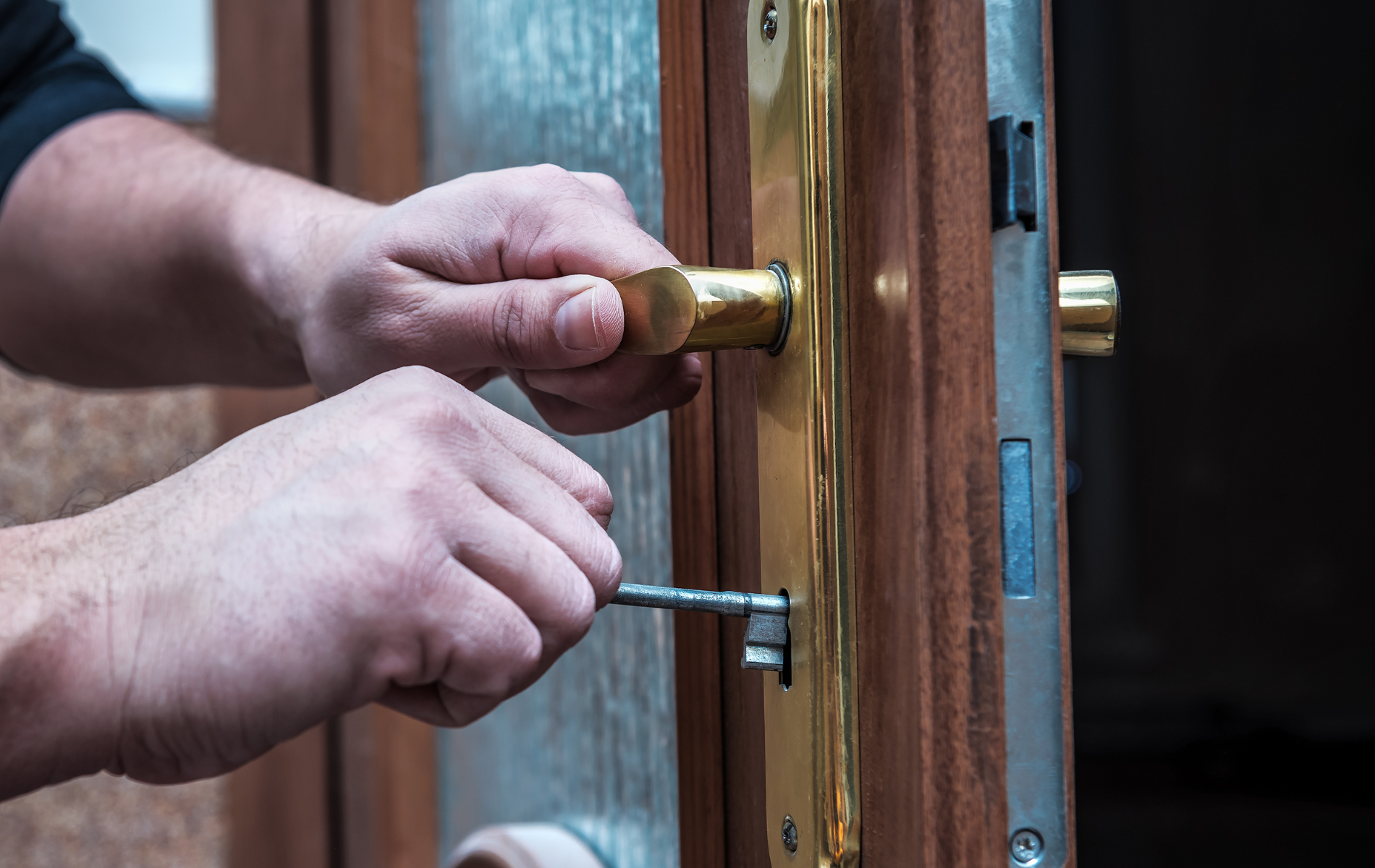
Traditional locks, particularly deadbolts, operate using internal pins and tumblers that align when the correct key is inserted. When properly installed, a high-quality mechanical lock provides strong, dependable protection.
Advantages of traditional locks include:
- Proven reliability over decades of use
- No reliance on batteries or Wi-Fi
- Lower upfront cost
- Straightforward operation
- Easy rekeying after lost keys
High-security mechanical locks take this a step further by including anti-drill plates, sidebars, and restricted keyways. These features significantly reduce the risk of lock picking, bumping, or unauthorized duplication.
However, traditional locks rely on physical keys, which can be lost, copied, or stolen. For households with multiple occupants, managing spare keys can become inconvenient and expensive over time.
How Smart Locks Operate
Smart locks replace or supplement traditional key mechanisms with electronic access control. Instead of inserting a key, users may unlock their doors using:
- Numeric keypad codes
- Smartphone apps
- Bluetooth proximity
- Biometric fingerprint readers
- Voice-controlled home automation systems
Most smart locks connect via Wi-Fi, Bluetooth, or Z-Wave technology, allowing homeowners to monitor and control access remotely.
Key features commonly include:
- Temporary access codes for guests
- Scheduled entry permissions
- Entry history logs
- Auto-lock settings
- Remote locking and unlocking
For many Tampa residents, especially those who manage rental properties or travel frequently, this added level of control offers significant peace of mind.
Security Comparison: Mechanical Strength vs Digital Control
Security is the primary concern for most homeowners. The question is not simply which lock is newer, but which offers better protection.
Traditional high-security locks excel in physical resistance. They are designed to withstand drilling, picking, bumping, and forced entry attempts. Because they have no digital components, they are immune to hacking or electronic failure.
Smart locks eliminate the issue of unauthorized key duplication. Instead of worrying about spare keys circulating among contractors or previous tenants, access codes can be changed instantly.
However, smart locks rely on software and connectivity. While reputable brands use encryption and security protocols, no digital system is entirely immune to vulnerabilities. That said, hacking residential smart locks is far less common than traditional forced entry.
For many Tampa homeowners, the strongest solution is layered security — combining a reinforced door, high-security deadbolt, and smart access system.
Convenience in Daily Life
One of the biggest advantages of smart locks is convenience.
Families no longer need to hide spare keys under mats or worry about children losing house keys. Unique codes can be assigned to each family member, and temporary codes can be issued for service providers.
For example, homeowners in South Tampa who hire house cleaners can grant access only during specific hours. Rental property owners in Clearwater Beach can generate short-term access codes for guests without physically meeting them.
Traditional locks, while reliable, require physical key distribution. Every additional key introduces another potential security risk.
Cost Comparison and Long-Term Value
Traditional locks are generally less expensive upfront. Basic deadbolts may cost between twenty and one hundred dollars. High-security mechanical locks can range from one hundred to three hundred dollars installed.
Smart locks typically range from one hundred fifty to three hundred fifty dollars installed, depending on brand and features.
Although smart locks cost more initially, they may reduce expenses associated with rekeying and duplicate key production.
Property managers in St. Petersburg often find that digital access saves money over time by eliminating repeated lock changes between tenants.
Climate Considerations in Tampa Bay
Florida’s humidity and coastal air can affect both mechanical and electronic locks.
Traditional locks may experience internal corrosion if not properly maintained. Coastal properties in areas like Clearwater Beach are especially vulnerable to salt air exposure.
Smart locks require battery changes, typically once or twice per year. Most modern models provide advance warning before battery failure, preventing unexpected lockouts.
Professional installation ensures proper sealing and alignment, reducing wear and increasing lifespan regardless of the lock type chosen.
When Traditional Locks Make More Sense
Traditional high-security locks may be the better choice if:
- You prefer simple, mechanical reliability
- You do not want to depend on electronic components
- You are securing a detached structure or storage unit
- You want minimal maintenance
For homeowners who prioritize durability and long-term mechanical strength, high-quality deadbolts remain an excellent solution.
When Smart Locks Are the Better Fit
Smart locks are often ideal for:
- Vacation rentals in Tampa Bay
- Households with multiple residents
- Frequent travelers
- Property managers
- Tech-enabled smart homes
The ability to monitor access remotely provides reassurance, especially when homeowners are away for extended periods.
Combining Both Technologies for Maximum Protection
Many security professionals recommend using both smart and traditional elements.
For example, installing a smart deadbolt with a reinforced strike plate and door frame provides digital access control along with physical strength.
Layered security makes forced entry more difficult while also giving homeowners control and visibility.
Frequently Asked Questions
Are smart locks reliable during power outages?
Yes. Most operate on batteries and continue functioning even if home electricity is lost.
Can smart locks be manually overridden?
Many models include a backup key option in case of battery failure.
Are high-security mechanical locks still effective?
Absolutely. Modern high-security locks remain extremely difficult to defeat using common break-in techniques.
Which option increases home value?
Smart home features, including smart locks, can appeal to buyers, especially in competitive Tampa markets.
Making the Right Choice for Your Tampa Home
There is no universal answer to whether smart locks or traditional locks are better. The decision depends on your security needs, lifestyle, and budget.
For homeowners seeking mechanical durability and minimal maintenance, high-security traditional locks offer proven protection.
For those who prioritize flexibility, remote access, and keyless convenience, smart locks deliver modern advantages.
In many cases, combining both technologies provides the strongest overall solution.
Tampa Bay Lock and Key has served the region since 1957 and offers professional installation, security assessments, and expert guidance for both traditional and smart lock systems.